Seymour’s Proposed Annexation: Planning for Growth Along the Burkart Corridor
 Daniel Pierson
Contributor
Daniel Pierson
Contributor
Seymour is once again looking south. The city is proposing to annex roughly 719 acres of mostly agricultural ground between State Road 11 (South Walnut Street) and North County Road 975 East. The territory includes land around the Burkart Boulevard extension, areas near Silgan Plastics and the Walmart Supercenter, and existing residential pockets such as the Ashwood and Hoevener subdivisions. About 210 parcels are involved.
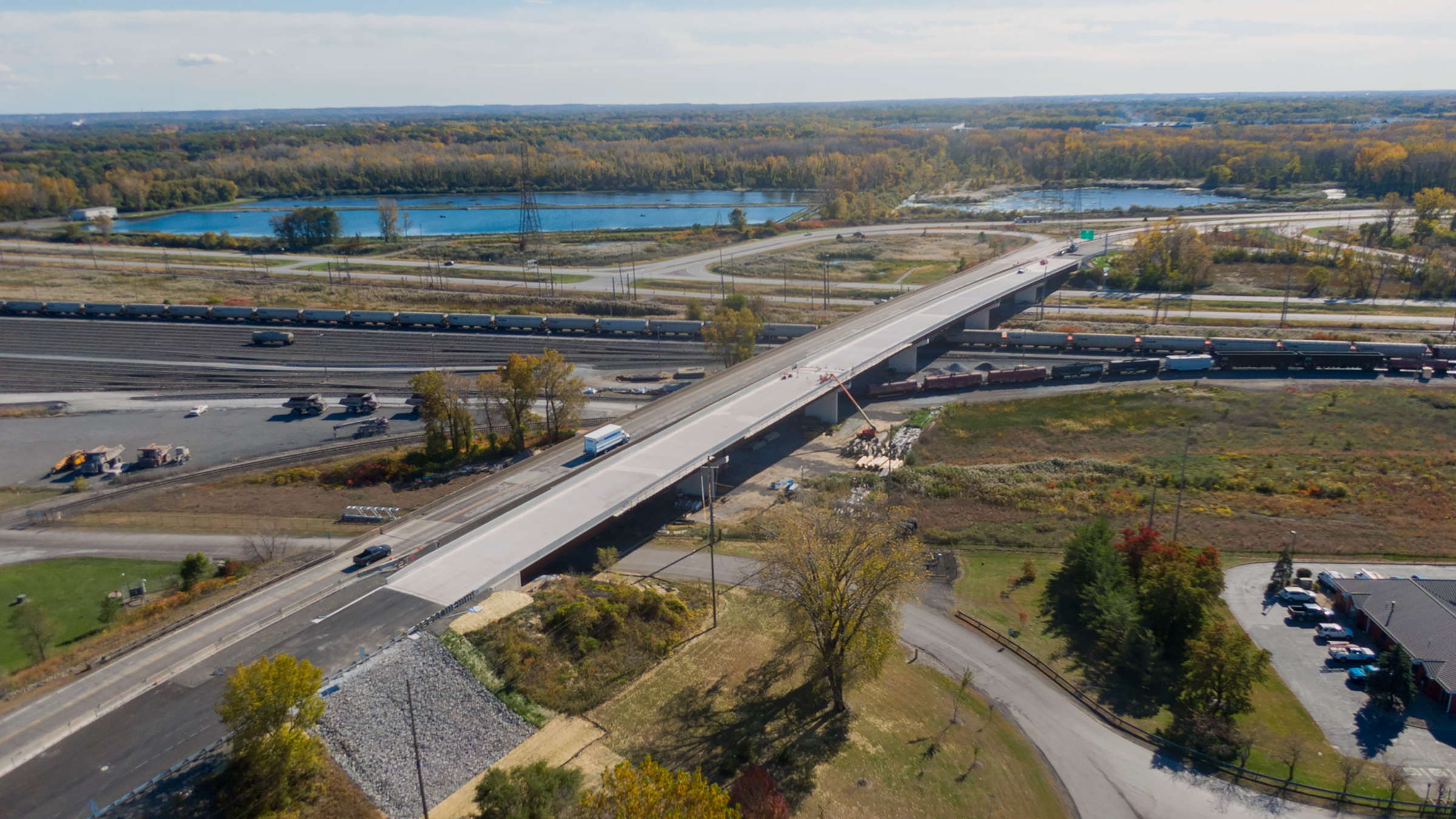
Mayor Matt Nicholson has framed the move in straightforward terms: if Seymour wants to grow, this is the logical direction. Infrastructure already in place or advancing—the Burkart Boulevard bypass and extension, a pedestrian trail, a railroad overpass, and a sewer interceptor—has prepared the ground for residential, commercial, and industrial development rather than leaving it to scattershot county-level growth.
City services that would follow include trash and recycle collection, snow removal and street maintenance, public transit options, and police and fire protection. A fiscal impact report is being finalized for council review. The process requires two readings of an annexation ordinance and continues public outreach.
How This Compares to Other Local and Regional Annexations
Seymour itself offers a recent benchmark. About eight years ago the city annexed land on the north side. That move enabled the Burkart Crossing apartments and the Redbud Meadows subdivision—concrete examples of residential development following city boundaries and services.
Elsewhere in Indiana the pattern is familiar among growing communities. Shelbyville recently annexed roughly 429 acres on its southeast side, largely for industrial purposes (including data-center related activity), and the action held up under legal challenge. Fort Wayne completed a voluntary annexation around the Sweetwater campus to capture tax revenue, improve surrounding roads, and support a major employer’s expansion. Fishers executed a larger residential annexation that added thousands of residents and extended full city services. Smaller, targeted annexations—such as those in Greensburg involving city-owned or business properties—occur regularly with less drama.
What distinguishes successful efforts is often the presence of existing or committed infrastructure and a clear growth corridor. Contested annexations tend to arise when costs of extending services outrun anticipated revenue or when the “need” for the land is harder to demonstrate. Seymour’s proposal sits closer to the first category: the road, trail, and sewer work is already reshaping the area.
Earlier Seymour discussions of similar southern acreage (around 2021) produced detailed fiscal plans and public meetings; some other proposals were later set aside over service-cost concerns. The current effort appears more tightly tied to completed bypass phases and the Burkart Opportunity Zone planning that has identified housing, workforce, and recreation needs along the same corridor.
Plausible Uses and Positive Outcomes
The land itself is largely open farm ground with some existing homes and commercial edges. Reasonable expectations, drawn from the city’s own Opportunity Zone work and the pattern of prior growth, include:
Residential development — New neighborhoods and workforce housing near manufacturing jobs and the multi-use trail. Jackson County has projected a meaningful housing shortfall in the coming years; trail-side or bypass-adjacent sites are natural candidates for modest-density single-family or mixed housing that keeps workers closer to employers such as Cummins, Rose Acre, and the industrial parks.
Commercial and service uses — Retail, restaurants, or professional services that serve both new residents and the existing big-box corridor around Walmart and Home Depot. Frontage along the improved roadway makes these uses practical.
Industrial or light-industrial expansion — Additional sites near Silgan Plastics and the broader Eastside/Freeman Field industrial area, taking advantage of the bypass for truck traffic and the sewer capacity already installed.
Positive outcomes that follow from orderly annexation rather than uncoordinated fringe development are straightforward. City police and fire coverage can improve response times and potentially lower insurance rates for some property owners through better ISO ratings. Trash and sewer costs often decline for residents who previously paid higher non-city rates. Street maintenance and snow removal become city responsibilities. The expanded tax base helps support the very services being extended. For the broader community, controlled growth along a planned corridor reduces the risk of leapfrog sprawl that strains county roads and emergency services while still adding jobs, housing options, and local investment.
Property owners retain the ability to keep farming for as long as they choose; annexation changes jurisdiction and services, not ownership or immediate land use. Development occurs only when owners decide to sell or rezone. The process remains subject to the fiscal plan, two council readings, and the usual state remonstrance rules if enough landowners object.
Seymour has spent years and substantial public investment building the bypass, the trail, and the sewer capacity that make southern expansion workable. Annexing the adjacent ground is the logical next step if the city intends to guide that growth rather than watch it happen around the edges. Whether the final map and fiscal numbers satisfy both residents inside the current limits and those proposed for inclusion will be decided in the coming months of council work and public comment. The direction of travel, however, is clear: Seymour is preparing the southern and southeastern approaches for the next chapter of measured, infrastructure-supported growth.
No thoughts yet — be the first.