MR.NEWZ NETWORK
State Report Sets the Clock on Indiana Township Mergers
State Report Sets the Clock on Indiana Township Mergers
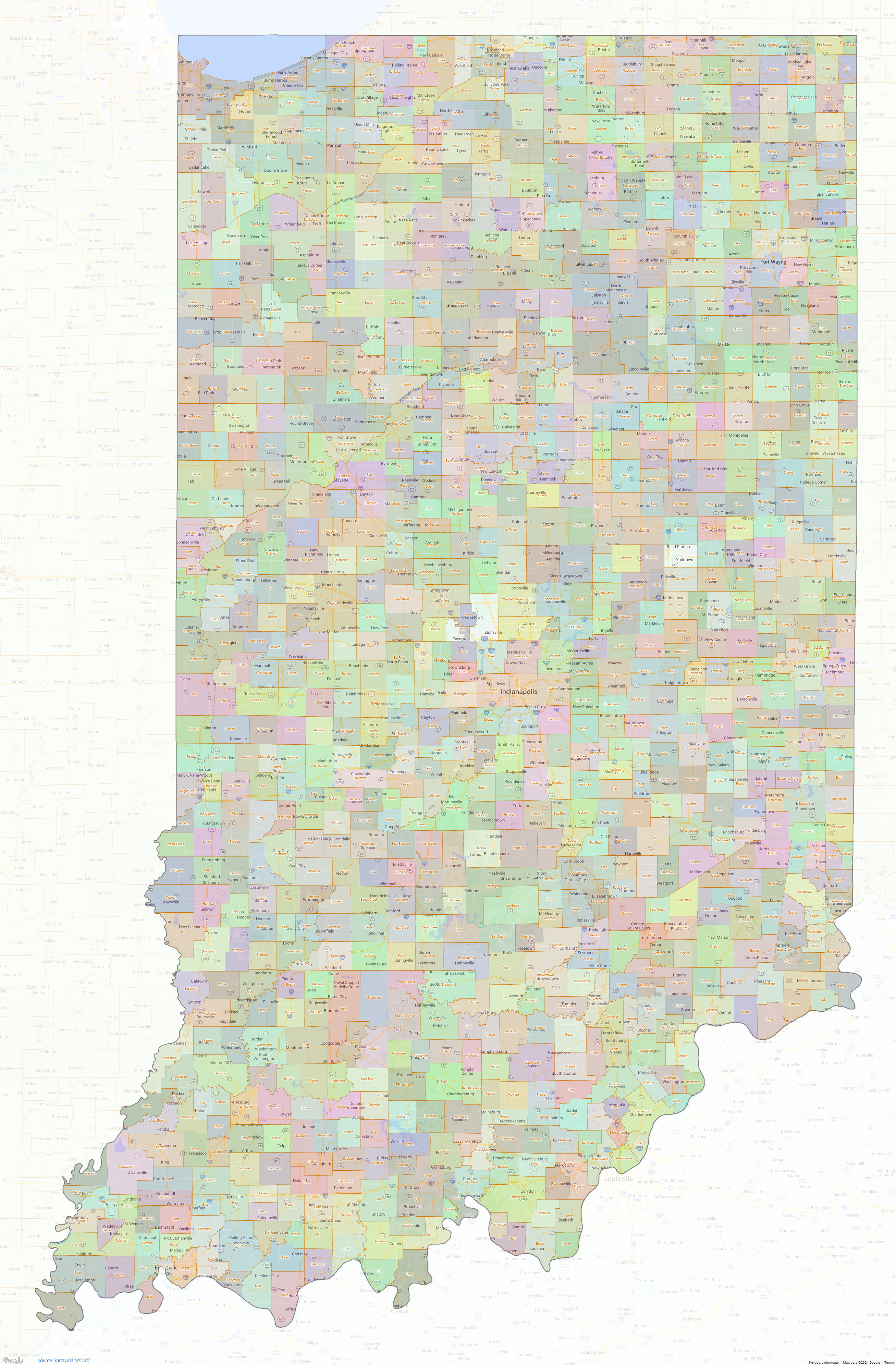
A December 31, 2026, report from the Department of Local Government Finance will assign points to nearly every township in the state under Senate Enrolled Act 270. Townships that score four or more points become “designated” and must merge with a neighboring township that scores lower, or reorganize into a municipality if most of their territory and population already sit inside city limits. Mergers take effect no later than January 1, 2029. Each county must retain at least two townships. Marion County is exempt. The process is already in motion.
The point system measures concrete functions: size of the budget relative to services delivered, whether the township provided poor relief in recent years, whether it manages fire protection or emergency medical services, and whether it filed required financial reports on time. Smaller budgets, limited assistance, and missing reports add points. Townships that actively run fire departments or distribute meaningful assistance score better and are less likely to be forced into a merger. The law does not dissolve fire protection. It transfers or consolidates the administrative layer that sits above it.
Indiana still operates roughly one thousand townships. Many of their original duties—poor relief, cemetery care, weed control—are now handled by counties, towns, or nonprofits in large parts of the state. Statewide figures show township trustee and board compensation approaching the amount actually distributed as poor relief in some years. Investigations have documented cases of trustees paying themselves rent, hiring relatives, or maintaining offices whose annual cost exceeds the aid they provide. These are not abstract concerns. They are documented costs borne by property taxpayers who already face rising levies and the effects of recent state property-tax changes.
Voluntary consolidations have already occurred and produced measurable savings. Franklin-Union-Needham Township in Johnson County reports roughly $33,000 in annual administrative savings after its merger. In Monroe County, voters in Ellettsville and Richland Township approved reorganization in the 2026 general election; the change takes effect in January 2027. Residents in other areas, including Fall Creek Township near Pendleton, have begun their own reorganization talks specifically to control the terms before the state list is published. Support is not uniform. Rural trustees and some county officials argue that forced mergers risk losing local knowledge of who needs assistance and that county commissioners may not be better equipped to manage the remaining functions. Those objections are practical, not ideological. The law still requires contiguity, allows local input on which townships combine, and preserves a residual township structure in every county.
Whether the process functions as a political weapon depends on how the Department of Local Government Finance assigns points and how county commissioners implement the mergers. The criteria are written into statute and turn on observable filings and service levels rather than party registration or voting patterns. Authors of the legislation, including a former township trustee, have described the goal as reducing overhead while keeping functional units intact. Opponents in rural districts worry that the same data will be used to eliminate offices that still provide direct aid in areas with limited county capacity. Both views will be testable once the December list is released. Townships will have a window to appeal their point totals. Counties will then decide pairings.
The financial case rests on eliminating duplicate administrative costs without eliminating the services themselves. The civic case rests on whether the remaining units continue to deliver poor relief and fire coverage more efficiently than the current patchwork. For the eight counties covered by this network, the December report will identify which townships face mandatory action and which do not. The outcome will be determined by the scores the state assigns, the mergers county officials approve, and the degree to which local residents participate in the hearings that follow. The old model is not being abolished statewide. It is being measured, and the units that score poorly will be required to combine.